


In India, Shilajit is mainly found in the high-altitude regions of the Himalayas, especially in states like Himachal Pradesh, Uttarakhand, and Ladakh. It naturally oozes from rock crevices during the summer months at elevations between 1,000 and 5,000 metres. This mineral-rich shilajit resin forms over centuries from plant matter and is most commonly sourced from steep, rocky mountain cliffs in these regions.
For centuries, Ayurvedic practitioners have collected shilajit from these regions and used it as a traditional herbal supplement to support energy, vitality, and overall well-being.
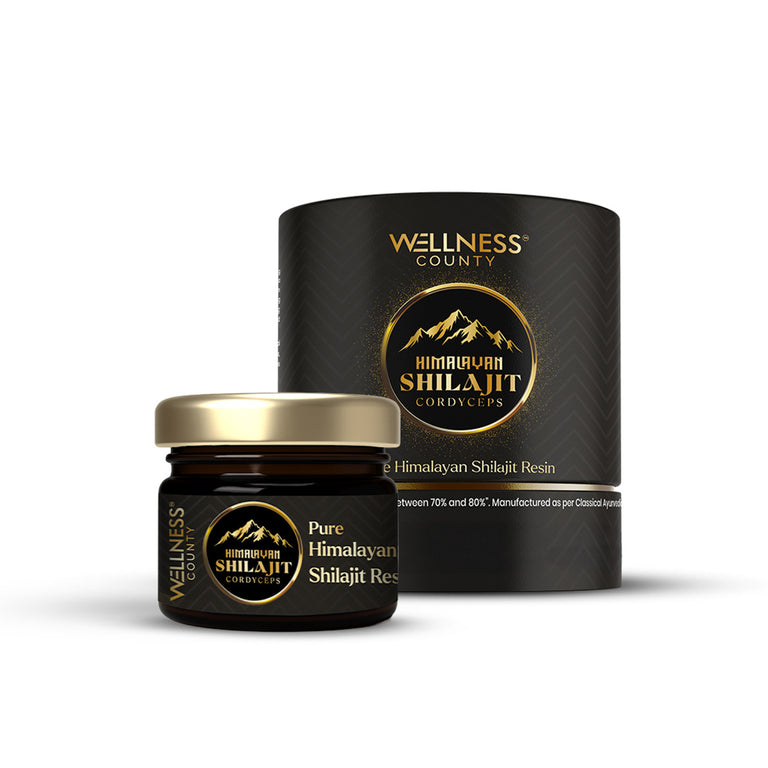
⚡ Boosts Energy & Stamina 🧠 Supports Focus & Mood 💪 Daily Vitality Support
🌿 100% Natural | Ayurvedic | Lab-TestedHimalayan Regions Where Shilajit Is Found
The Himalayas provide the ideal geological and environmental conditions for the formation of shilajit. Over long periods, plant material and microorganisms decompose and compress between layers of rock, eventually transforming into a dark, resin-rich material rich in fulvic acid and trace minerals.
Key Indian Himalayan regions where shilajit is commonly found include:
Uttarakhand: This state is widely known as a primary source of authentic Himalayan shilajit. High-altitude districts such as Uttarkashi, Chamoli, Rudraprayag, and Pithoragarh are known for natural deposits. The Gangotri and Kedarnath mountain belts are particularly associated with the traditional collection of shilajit.
Himachal Pradesh: Shilajit is found in several high-elevation areas, including Kinnaur, Lahaul-Spiti, Kullu, and parts of Chamba. The cold climate, rocky cliffs, and mineral-rich mountains create conditions where shilajit forms over centuries.
Ladakh (Union Territory): Ladakh’s extremely high altitude and untouched mountain ecosystems make it another notable source. Regions around Leh and Kargil are often cited for producing high-purity shilajit due to minimal environmental contamination.
Jammu and Kashmir: Remote mountainous districts such as Kishtwar, Doda, and Poonch have also been known historically for shilajit deposits. These areas contain rugged Himalayan terrain where the resin naturally forms in rock fissures.
Northeastern Himalayan Sources
Some deposits are also reported in northeastern Himalayan states, including:
-
Arunachal Pradesh – high-altitude districts like Tawang and West Kameng
-
Sikkim – particularly North Sikkim’s mountainous areas
These regions share similar geological conditions with the central Himalayas, which can support the natural formation of shilajit.
Smaller or Historical Occurrences
While the Himalayas remain the primary source, smaller occurrences have occasionally been reported in other elevated mountain ranges such as the Vindhyachal Range in central India and Mount Abu in Rajasthan’s Aravalli Range. However, these locations are less commonly associated with commercial or traditional harvesting compared to the Himalayas.
Why the Himalayas Produce the Best Shilajit
The Himalayan environment provides unique factors that support shilajit formation:
-
High altitude and extreme temperature variations
-
Rich biodiversity of alpine plants
-
Long geological compression of organic matter
-
Mineral-dense mountain rocks
These conditions help create a nutrient-dense resin containing fulvic acid, humic substances, and more than 80 trace minerals.
Because authentic shilajit is rare and difficult to harvest, sourcing from clean, high-altitude Himalayan regions is important for quality and purity. Brands such as Wellness County focus on carefully sourced, purified African and Himalayan Shilajit resin products to deliver a potent, mineral-rich supplement that aligns with traditional wellness practices.


