


Shilajit has become one of the world's most sought-after natural supplements, but its growing popularity has also led to a surge in counterfeit products. From artificially colored resins to mineral waxes and sugar-based mixtures, many products sold as "pure Himalayan Shilajit" contain little or no genuine Shilajit.
If you're wondering how to identify original Shilajit, you're not alone. Many buyers assume that a black, sticky resin is authentic, but appearance alone can be misleading. Genuine Shilajit has unique physical properties, originates from specific mountainous regions, undergoes careful purification, and should be supported by reliable quality testing.
In this guide, you'll learn:
- What original Shilajit really is
- Why fake Shilajit is so common
- 10 practical ways to identify authentic Shilajit
- Common myths about authenticity tests
- How to choose a trustworthy Shilajit brand
Let's begin.
What Is Original Shilajit?
Original Shilajit is a natural mineral-rich substance that slowly forms over centuries from the decomposition of plant material and microbial activity in high-altitude mountain environments. It naturally seeps from rock crevices during warmer months and is traditionally harvested from regions such as the Himalayas, Altai, Caucasus, and other mountain ranges.
Raw Shilajit is not ready for consumption. It contains sand, rock particles, heavy metals, and other impurities that must be removed through a proper purification process. High-quality brands refine the raw material while preserving its naturally occurring fulvic acid, humic substances, and trace minerals.
Because genuine Shilajit is difficult to source and purify, it is significantly more expensive than synthetic or adulterated alternatives. This limited supply is one of the main reasons counterfeit products are so common.
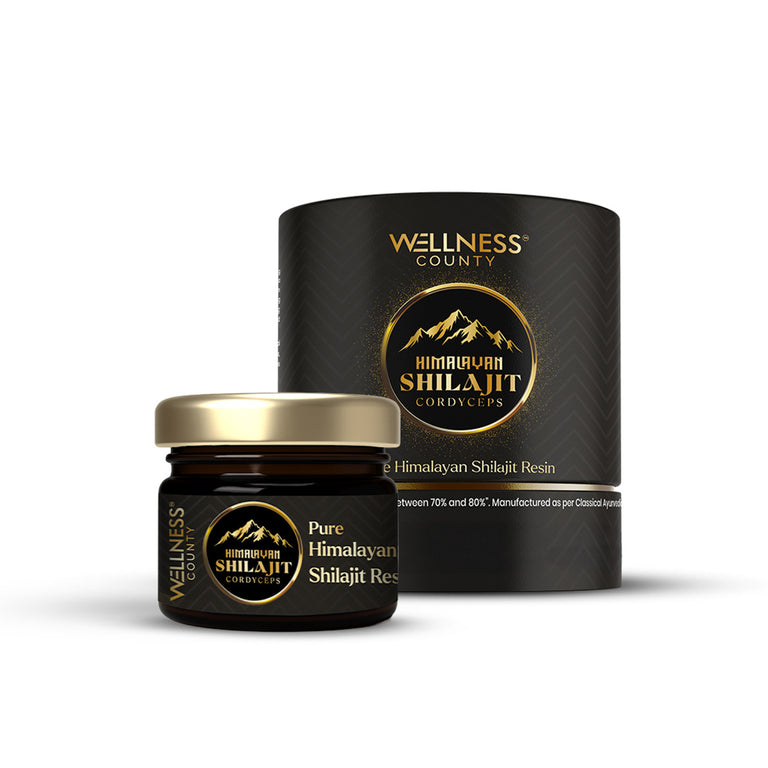
⚡ Boosts Energy & Stamina 🧠 Supports Focus & Mood 💪 Daily Vitality Support
🌿 100% Natural | Ayurvedic | Lab-TestedWhy Is Fake Shilajit So Common?
Demand for Shilajit has increased dramatically, but the availability of genuine raw material has not kept pace. As a result, some manufacturers may use inexpensive fillers or substitutes to mimic the appearance of authentic resin.
Depending on the product, counterfeit or low-quality Shilajit may contain:
- Excess sugars or syrups to create a sticky texture
- Artificial colors to imitate dark resin
- Low-quality mineral extracts
- Asphalt-like materials or mineral waxes
- Excessive fillers in capsules or powders
- Highly diluted Shilajit with minimal active compounds
These products may look convincing but often lack the composition and characteristics expected from properly purified Shilajit.
The good news: By understanding a few key characteristics, you can make a much more informed purchasing decision.
10 Proven Ways to Identify Original Shilajit

Identifying authentic Shilajit doesn’t require advanced lab equipment. There are several simple yet effective tests you can perform at home to check its purity.
1. Observe How It Dissolves in Water
One of the easiest ways to evaluate Shilajit is by dissolving a small amount in room-temperature water.
Authentic Shilajit typically dissolves gradually, creating a clear golden-brown to dark amber solution. Small amounts of natural insoluble residue may remain depending on the product and purification process, but it should not leave excessive grit or oily layers.
Be cautious if the product:
- Floats without dissolving
- Produces an oily film
- Leaves large amounts of sand-like particles
- Contains visible artificial coloring that separates from the water
Tip: The water test alone cannot confirm authenticity, but it can help identify obviously poor-quality products.
2. Check Its Texture at Different Temperatures
One distinctive property of genuine Shilajit resin is its response to temperature.
At cooler temperatures, authentic resin tends to become firmer and more brittle. When warmed in your hands or placed in a warm environment, it softens and becomes pliable.
This natural behavior reflects the resin's composition and is one reason many users prefer resin over powders or capsules.
If a product remains rock-hard regardless of temperature or behaves like rubber or plastic, it may not be genuine.
3. Examine the Color
Original Shilajit is generally:
- Deep brown
- Dark brown
- Black with brown undertones
Its appearance may vary slightly depending on the source region and purification process.
Extremely glossy, jet-black products with an artificial shine may warrant closer scrutiny, especially if other quality indicators are missing.
4. Notice the Aroma
Authentic Shilajit has a naturally earthy, mineral-rich aroma.
Many people describe the smell as similar to:
- Wet soil
- Forest earth
- Minerals
- Smoky rock
A strong perfume-like fragrance or chemical odor may indicate added ingredients.
5. Taste Matters Too
Traditional Shilajit has a distinctive flavor profile.
It is often described as:
- Bitter
- Earthy
- Slightly smoky
- Mineral-rich
Products that taste excessively sweet or flavored without clear labeling should be evaluated carefully.
6. Review the Certificate of Analysis (COA)
One of the most reliable ways to assess quality is through independent laboratory testing.
A reputable manufacturer should be transparent about testing for:
- Heavy metals
- Microbial contamination
- Purity
- Identity
- Safety parameters
A Certificate of Analysis (COA) demonstrates that a batch has undergone laboratory evaluation. While a COA alone does not guarantee authenticity, the absence of any testing information should prompt additional questions.
What to look for in a COA:
- Batch number matching the product
- Testing date
- Accredited laboratory details
- Heavy metal results
- Microbial safety results
- Identity or composition testing, where applicable
7. Verify the Source of the Shilajit
Not all Shilajit sold online comes from genuine mountain sources. While authentic Shilajit can be found in mountain ranges such as the Himalayas, Altai, Caucasus, and certain regions of the Andes, the origin alone is not enough to guarantee quality. Harvesting practices, purification, and testing matter just as much.
A trustworthy brand should clearly disclose:
- The geographical source of the raw Shilajit
- How it is purified
- Whether it undergoes third-party laboratory testing
- Batch or lot information
- Manufacturing standards
Be cautious of products that make vague claims such as "100% Himalayan" without providing any additional information about sourcing or quality control.
Expert Tip: Transparency is one of the strongest indicators of a reputable Shilajit brand. If a company openly shares its sourcing, purification process, and laboratory testing, it gives consumers more confidence in the product.
8. Check the Packaging and Product Information
Authentic brands invest in clear labeling because they have nothing to hide.
Look for packaging that includes:
✔ Ingredient list
✔ Net weight
✔ Manufacturing date
✔ Batch number
✔ Expiry date
✔ Storage instructions
✔ Manufacturer information
✔ Customer support details
Avoid products with:
- No manufacturer details
- Missing batch numbers
- Spelling mistakes
- Unrealistic health claims
- Poor-quality packaging
Professional packaging alone doesn't prove authenticity, but poor labeling is often a warning sign.
9. Evaluate the Price
One of the easiest ways to avoid counterfeit Shilajit is to be skeptical of prices that seem too good to be true.
Producing authentic Shilajit involves:
- Harvesting from remote mountain regions
- Transporting raw material
- Careful purification
- Laboratory testing
- Quality packaging
These steps make genuine Shilajit relatively expensive.
If you come across a product claiming to contain 100 grams of "pure Himalayan Shilajit" at an unusually low price, it's worth asking how the manufacturer is able to produce and sell it so cheaply.
Remember: Low price doesn't automatically mean fake—but extremely cheap products deserve extra scrutiny.
10. Buy Only from Trusted Brands
Perhaps the most effective way to identify original Shilajit is to purchase from brands that prioritize transparency and quality.
Before buying, check whether the brand:
- Provides Certificates of Analysis (COAs)
- Shares detailed sourcing information
- Explains its purification process
- Has genuine customer reviews across multiple platforms
- Clearly lists ingredients and manufacturing details
- Offers responsive customer support
A trustworthy company will usually educate customers rather than relying solely on marketing claims.
Original vs Fake Shilajit: Quick Comparison
| Feature | Original Shilajit | Fake or Low-Quality Shilajit |
|---|---|---|
| Water Test | Dissolves gradually into a brown or amber solution. | Leaves excessive residue, oil, or artificial color. |
| Texture | Hard when cold and soft when warm. | Rubbery, overly sticky, or consistently hard. |
| Smell | Earthy and mineral-like. | Chemical, perfumed, or odorless. |
| Taste | Naturally bitter and earthy. | Sweet or artificially flavored. |
| Color | Dark brown to black with natural variation. | Unnaturally glossy jet black. |
| Lab Testing | Supported by third-party laboratory testing. | No Certificate of Analysis (COA) or testing information. |
| Packaging | Includes batch number, expiry date, and manufacturer details. | Missing batch details or manufacturer information. |
| Price | Reflects careful sourcing, purification, and testing. | Unusually cheap with questionable quality. |
Common Myths About Identifying Original Shilajit
The internet is full of advice about testing Shilajit at home, but not all of it is accurate. Here are some common myths.
Myth 1: If It Burns, It's Fake
Many people claim that genuine Shilajit should never burn.
In reality, heat can affect natural resins differently depending on their moisture content, composition, and processing. A simple burn test cannot reliably determine authenticity.
Myth 2: Water Test Alone Confirms Authenticity
While the water test is useful, it should never be used as the only deciding factor.
Counterfeit products can sometimes be formulated to dissolve in water, while genuine Shilajit may leave small amounts of natural residue.
Always evaluate multiple quality indicators together.
Myth 3: Darker Color Means Better Quality
Many buyers assume that the blackest resin is the purest.
Color varies naturally depending on:
- Mineral composition
- Source region
- Purification process
A darker product is not necessarily a better one.
Myth 4: Expensive Means Genuine
Premium pricing does not guarantee authenticity.
Some counterfeit products are intentionally priced higher to create an impression of superior quality.
Always verify laboratory testing, sourcing, and brand transparency instead of relying on price alone.
How to Read a Certificate of Analysis (COA)
A Certificate of Analysis (COA) is one of the most valuable tools for evaluating Shilajit quality. It provides laboratory results for a specific production batch.
When reviewing a COA, look for:
Heavy Metal Testing
Ensure the product has been tested for contaminants such as:
- Lead
- Arsenic
- Mercury
- Cadmium
The results should comply with applicable safety standards in the region where the product is sold.
Microbiological Testing
Reliable testing should include checks for harmful microorganisms, such as:
- Total microbial count
- Yeast and mold
- E. coli
- Salmonella
Batch Information
The COA should match the batch number printed on your product packaging. This helps confirm that the report corresponds to the item you purchased.
Testing Laboratory
Look for reports issued by independent, accredited laboratories whenever possible. Like every batch of Wellness County Shilajit is lab-tested and backed by a Certificate of Analysis (COA) to ensure purity, safety, and quality.
You can view our lab testing certificate below for complete transparency.

Common Mistakes Buyers Make
Many people unknowingly rely on incomplete or misleading signs when purchasing Shilajit. Avoid these common mistakes:
Choosing Based Only on Price
An expensive product isn't automatically genuine, and a lower price doesn't always mean it's fake. Evaluate the overall quality, testing, and transparency.
Trusting Marketing Claims Alone
Terms like "100% Pure," "Premium," or "Gold Grade" have no universally accepted definition. Look beyond promotional language.
Ignoring Laboratory Testing
A trustworthy brand should be able to provide evidence of quality testing, especially for contaminants and safety.
Buying from Unknown Sellers
Purchasing from established brands or authorized retailers can reduce the risk of receiving counterfeit or mishandled products.
Final Thoughts: How to Identify Original Shilajit with Confidence
Finding authentic Shilajit doesn't require advanced laboratory equipment, but it does require informed decision-making. Instead of relying on a single home test or marketing claim, consider the complete picture: how the product looks, smells, behaves, where it comes from, and whether the manufacturer is transparent about testing and quality.
Remember these key takeaways:
- No single test can confirm authenticity.
- Buy from brands that are transparent about sourcing and quality control.
- Look for third-party laboratory testing whenever possible.
- Be cautious of unrealistic claims and unusually low prices.
- Use multiple indicators rather than relying on one characteristic.
By following the guidance in this article, you'll be better equipped to distinguish high-quality Shilajit from products that may not meet the same standards.
FAQs
1. How can I identify original Shilajit at home?
You can evaluate Shilajit by looking at several characteristics together:
- It dissolves gradually in water into a brown or amber solution.
- It becomes firmer in cold temperatures and softens when warmed.
- It has an earthy, mineral-like aroma.
- It tastes naturally bitter rather than sweet.
- It comes from a transparent brand that provides sourcing details and third-party laboratory testing.
No single home test can confirm authenticity on its own. Use multiple indicators together.
2. What color is original Shilajit?
Authentic Shilajit typically ranges from dark brown to black with brown undertones. Slight color variations are normal because mineral composition and purification methods differ between batches.
3. Does original Shilajit dissolve completely in water?
High-quality Shilajit usually dissolves well in room-temperature water, producing a brown or amber-colored solution. Depending on the purification process, a small amount of natural residue may remain. Excessive grit, oily films, or floating artificial particles may indicate a lower-quality product.
4. Does genuine Shilajit have a smell?
Yes. Authentic Shilajit generally has a strong earthy, mineral-rich aroma. Many people compare it to wet soil or mountain rock. Artificial fragrances or strong chemical odors are not typical of natural Shilajit.
5. Can fake Shilajit dissolve in water?
Yes. Some counterfeit products are designed to mimic the appearance and behavior of genuine Shilajit, including dissolving in water. That's why the water test should be used alongside other checks such as sourcing, laboratory testing, and packaging.
6. Can I identify original Shilajit just by taste?
No. While genuine Shilajit is typically bitter and earthy, taste alone cannot confirm authenticity. Flavors can vary naturally, and counterfeit products may imitate the expected taste.
7. Is Himalayan Shilajit always the best?
The Himalayas are one of the most well-known sources of Shilajit, but quality depends on harvesting practices, purification, and testing—not just geography. Transparent sourcing and quality control are more important than the region alone.


