


Shilajit has been used for centuries in traditional wellness practices, yet many people still have questions about what shilajit is, how it works, and whether it's right for them. In this comprehensive FAQ guide, we'll answer the most common questions about Shilajit, including its benefits, usage, safety, dosage, and how to identify a high-quality product.
1. What Is Shilajit?
Shilajit is a naturally occurring, mineral-rich bioactive compound formed over the centuries. Shilajit is a dark, sticky resin that contains fulvic acid and trace minerals. Shilajit is commonly taken to support energy, stamina, recovery, and overall well-being. For centuries, shilajit has remained one of the most popular natural supplements for people looking to maintain an active and balanced lifestyle.
⚡ Boosts Energy & Stamina 🧠 Supports Focus & Mood 💪 Daily Vitality Support
🌿 100% Natural | Ayurvedic | Lab-Tested2. Where Does Shilajit Come From?
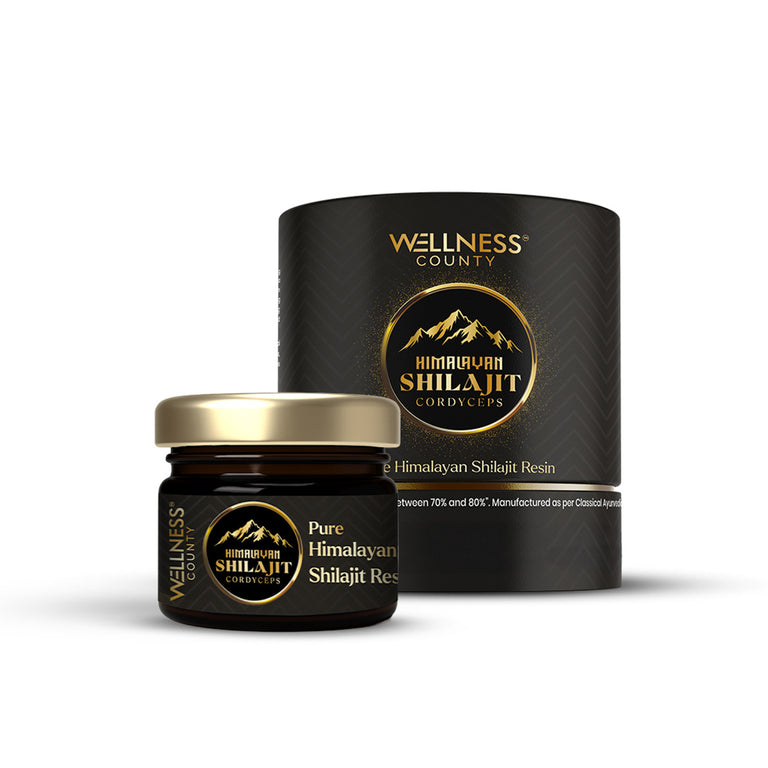
Shilajit is primarily found in high-altitude mountain ranges, including the Himalayas, the Altai Mountains, the Caucasus Mountains, and certain regions of Africa. Once collected and purified, it is processed into forms such as resin, capsules, powder, or liquid supplements. Buy from Wellness County for the purest form of Himalayan Shilajit cordyceps and African shilajit gold resin.
3. How Is Shilajit Formed Naturally?
Shilajit develops through a slow natural process that can take years. As plants, herbs, and other organic materials decompose under pressure within mountain rocks, they gradually transform into a nutrient-rich substance. Seasonal temperature changes help release this material from rock crevices. The result is a mineral-dense resin that contains compounds valued in traditional wellness practices for generations.
4. Why Is Himalayan Shilajit Considered the Best?
Himalayan Shilajit is often considered premium because it comes from one of the world's highest and least polluted mountain ecosystems. The region's unique geological conditions contribute to its rich mineral content and naturally occurring levels of fulvic acid. However, quality ultimately depends on proper purification, testing, and processing. A well-sourced and lab-tested product is generally more important than the geographical origin alone.
5. What Is Shilajit Made From?
Shilajit is a thick, sticky, tar-like resin composed of three primary components: humic substances, trace minerals, and organic compounds. Humic substances, including fulvic acid and humic acid, make up roughly 60% to 80% of its composition and are considered its most important active constituents. It also contains naturally occurring minerals and plant-derived organic compounds that contribute to its nutritional profile and long-standing use in traditional wellness practices.
6. What Are the Main Ingredients Found in Shilajit?
The most recognized component of Shilajit is fulvic acid, a naturally occurring compound known for helping transport nutrients within the body. It also contains humic acid, trace minerals such as iron, zinc, magnesium, and potassium, along with various plant-derived compounds. Together, these elements contribute to Shilajit's reputation as a nutrient-dense natural supplement that supports overall wellness and vitality.
7. Is Shilajit Mentioned in Ayurveda?
Yes, Shilajit is know for the centuries in Ayurveda and is often described as a rejuvenating substance. Ancient Ayurvedic texts refer to it as a natural support for strength, stamina, and healthy aging. It has traditionally been used as part of wellness routines designed to promote balance and vitality. Modern interest in Shilajit largely stems from this centuries-old use in traditional Ayurvedic practices.
8. How Does Shilajit Work in the Body?
Shilajit works primarily through its active component, fulvic acid, which helps transport nutrients into cells and supports better nutrient absorption. It also promotes efficient ATP production in the mitochondria, helping the body generate energy more effectively. In addition, Shilajit may support hormonal balance, cognitive function, stress resilience, and cellular repair through its rich blend of humic substances, minerals, and antioxidant compounds.
9. What Are the Health Benefits of Shilajit?
Shilajit is commonly used to support energy levels, physical performance, recovery, mental focus, hormonal balance, and overall vitality. Its rich mineral profile and fulvic acid content contribute to its popularity in wellness routines. Some studies suggest it may support healthy aging and general well-being. However, results vary among individuals, and Shilajit works best when combined with a balanced diet and healthy lifestyle.
10. Is Shilajit Good for Overall Health?
Many people take Shilajit as part of a broader wellness routine because it contains minerals and naturally occurring compounds that support general health. It is often used to maintain energy, stamina, and day-to-day vitality. While it is not a substitute for proper nutrition or medical care, a high-quality Shilajit supplement may complement a healthy lifestyle and contribute to overall well-being.
11. Does Shilajit Help Boost Energy and Stamina?
Yes, Shilajit is widely used for supporting natural energy and stamina. Its fulvic acid and mineral content help improve mitochondrial function, which plays a key role in producing ATP, the body's primary energy source. As a result, many people report feeling less tired and more physically active. Unlike stimulants, Shilajit works by supporting the body's natural energy production processes rather than providing a temporary energy spike.
12. Can Shilajit Help Reduce Weakness and Fatigue?
Shilajit may help reduce feelings of weakness and fatigue by supporting cellular energy production and improving nutrient utilization. When cells can produce energy more efficiently, the body is often better equipped to handle daily physical and mental demands. Many people use Shilajit during periods of low energy, demanding work schedules, or intense physical activity as part of a broader wellness routine.
13. Can Shilajit Improve Strength and Workout Performance?
Shilajit may support strength and workout performance by helping the body produce energy more efficiently and recover from physical exertion. Its mineral-rich composition and fulvic acid content contribute to better nutrient delivery and cellular function. While it is not a replacement for proper training or nutrition, regular use may help support endurance, exercise capacity, and overall physical performance when combined with a healthy lifestyle.

⚡ Boosts Energy & Stamina 🧠 Supports Focus & Mood 💪 Daily Vitality Support
🌿 100% Natural | Ayurvedic | Lab-Tested14. Is Shilajit Good for Muscle Recovery?
Shilajit may support muscle recovery by helping reduce oxidative stress and promoting efficient energy production within cells. After intense exercise, the body requires nutrients and energy to repair muscle tissue. The fulvic acid and trace minerals found in Shilajit may help support these recovery processes. Many athletes and fitness enthusiasts use it as part of their post-workout wellness and recovery routine.
15. Can Shilajit Improve Mental Focus and Concentration?
Shilajit is often used to support cognitive performance, including focus, concentration, and mental clarity. Fulvic acid possesses antioxidant properties that may help protect brain cells from oxidative stress. Some research also suggests it may support healthy neurological function. While results vary from person to person, many users report improved alertness and mental sharpness when taking Shilajit consistently as part of their daily routine.
16. Is Shilajit Helpful for Stress Management?
Shilajit is considered a natural adaptogen, meaning it may help the body adapt more effectively to physical and mental stress. It is believed to support healthy cortisol balance and promote resilience during demanding situations. Rather than stimulating, Shilajit may help support steady energy levels and overall well-being, making it a popular choice for people dealing with busy schedules and daily stressors.
17. Does Shilajit Support Healthy Ageing?
Shilajit is often associated with healthy ageing because it contains antioxidants, humic substances, and trace minerals that help combat oxidative stress. Oxidative damage is one of the factors linked to ageing at the cellular level. By supporting cellular health, energy production, and nutrient utilization, Shilajit may help maintain vitality, physical performance, and overall wellness as people age.
18. Does Shilajit Help Strengthen Immunity?
Shilajit's rich mineral profile and antioxidant compounds may help support normal immune function. By promoting nutrient absorption and helping the body manage oxidative stress, it may contribute to overall immune health. While Shilajit should not be viewed as a treatment for illness, many people include it in their wellness routines to support overall resilience and maintain optimal health year-round.
19. Is Shilajit Good for Bone and Joint Health?
Shilajit contains trace minerals that play important roles in maintaining healthy bones and connective tissues. Its antioxidant properties may also help support the body's natural response to physical wear and tear. Although more research is needed, Shilajit has traditionally been used to support mobility, strength, and overall musculoskeletal health. It works best when paired with proper nutrition and an active lifestyle.
20. Is Shilajit Beneficial for Heart Health?
Emerging research suggests that Shilajit's antioxidant properties may help support overall cardiovascular wellness by reducing oxidative stress within the body. It may also contribute to healthy energy metabolism, which is important for proper heart function. However, Shilajit should not be considered a replacement for medical treatment or heart-healthy habits. Maintaining a balanced diet, exercise, and regular health check-ups remains essential.
21. Is Shilajit Good for Liver Health?
Shilajit contains antioxidants and other bioactive compounds that may help protect cells, including those in the liver, from oxidative stress. Some early research suggests it may support normal liver function and overall metabolic health. While these findings are promising, more human studies are needed. Shilajit should be viewed as a wellness supplement rather than a treatment for liver conditions or diseases.
22. Does Shilajit Help Boost Testosterone Naturally?
Shilajit may support healthy testosterone levels in men when taken consistently over time. Researchers believe its mineral content and bioactive compounds may help support endocrine function and hormone production. While individual results can vary, Shilajit is often used by men looking to support vitality, strength, energy, and overall reproductive health as part of a healthy lifestyle.
23. Can Shilajit Improve Male Stamina and Performance?
Shilajit has traditionally been used to support male vitality, stamina, and overall performance. By helping the body produce energy more efficiently and supporting healthy testosterone levels, it may contribute to improved endurance and physical capacity. Many men use Shilajit as part of their wellness routine to maintain energy, confidence, and overall well-being. Consistent use and a healthy lifestyle play an important role in results.
24. Is Shilajit Useful for Gym Performance and Bodybuilding?
Many fitness enthusiasts use Shilajit to support workout performance, recovery, and endurance. Its ability to support ATP production may help the body generate energy more efficiently during exercise. Additionally, its mineral-rich composition can support overall physical performance and post-workout recovery. While Shilajit is not a substitute for proper training or nutrition, it can be a valuable addition to a well-rounded fitness routine.
25. Can Women Consume Shilajit?
Yes, women can consume Shilajit. Although it is often marketed to men, its benefits are not limited to any one gender. The minerals, fulvic acid, and other naturally occurring compounds found in Shilajit may help support energy levels, stamina, mental focus, and overall wellness. Women looking to enhance their daily vitality often include Shilajit as part of a balanced and healthy lifestyle.
26. Is Shilajit Safe for Women?
Yes, purified Shilajit is generally safe for healthy women when taken in recommended amounts. It may support energy, hormonal balance, skin health, and overall wellness. However, women should choose lab-tested products, as unpurified Shilajit may contain heavy metals. Pregnant or breastfeeding women and those with certain medical conditions should avoid it or consult a healthcare professional before use.
27. Does Shilajit Expire?
No, pure shilajit resin generally does not expire like food in the traditional sense; it often remains potent for 3-5 years or longer if stored properly. However, over time, it can lose potency, freshness, and effectiveness, especially if exposed to heat, moisture, sunlight, or air. Most reputable brands still print an expiry date for resin of around 3–5 years from the date of manufacture, while capsules and powders usually have a slightly shorter shelf life.
28. Can We Take Shilajit with Coffee?
Yes, many people take Shilajit with coffee, and there is generally no known issue with combining the two. However, both can influence energy levels in different ways. Some users prefer taking Shilajit separately with warm water or milk to better assess its effects. If you are sensitive to caffeine, monitor how your body responds and adjust your routine accordingly.
29. Can Beginners Take Shilajit Daily?
Yes, beginners can typically take Shilajit daily, provided they start with the recommended serving size. Beginning with a smaller amount allows the body to adjust gradually while helping users observe how they respond. Consistency is often more important than taking large amounts. Choosing a purified, lab-tested product and following the manufacturer's usage guidelines can help ensure a positive experience.
30. What Is the Best Way to Consume Shilajit?
The most common way to consume Shilajit resin is by dissolving a pea-sized amount in warm water, milk, or another preferred beverage. Warm liquids help the resin dissolve more easily, making it more convenient. Capsules and powders are also available for those seeking a simpler option. The best method ultimately depends on personal preference, consistency, and the type of Shilajit being used.
31. What Is the Best Time to Take Shilajit?
Most people prefer taking Shilajit in the morning or early afternoon to support energy levels throughout the day. It can be taken on an empty stomach or after a light meal, depending on personal preference. Consistency matters more than timing, so choose a schedule that you can follow regularly.
32. How Much Shilajit Should Be Taken Daily?
The recommended daily amount varies by product and concentration, but most adults take between 150 mg and 500 mg per day. For resin, this is usually a pea-sized serving. Beginners should start with a smaller amount and gradually increase if needed. Always follow the dosage guidelines provided by the manufacturer.
33. Can Shilajit Be Taken on an Empty Stomach?
Yes, many people take shilajit on an empty stomach, particularly in the morning. Some users feel this helps with absorption and allows them to notice its effects more clearly. However, those with sensitive stomachs may prefer taking it after food. Both approaches can be effective depending on individual comfort.
34. Can Shilajit Be Taken with Milk or Water?
Yes, Shilajit can be mixed with either warm water or milk. Warm liquids help the resin dissolve more easily, making consumption more convenient. Water is often chosen for a lighter option, while milk is commonly used in traditional wellness practices. The choice ultimately comes down to personal preference.
35. Can Shilajit Be Taken with Honey?
Yes, Shilajit can be taken with honey. Many people combine the two to improve taste and make consumption more enjoyable. In traditional wellness practices, honey is often paired with natural supplements as a complementary ingredient. Simply mix the recommended amount of Shilajit with honey and consume as directed.
36. Can You Take Shilajit at Night?
Yes, Shilajit can be taken at night. While many people prefer to use it earlier in the day for energy support, others find it fits well into their evening routine. Since individual responses can vary, it's best to experiment with timing and choose what works best for your body.
37. Can Shilajit Be Taken Before Workouts?
Yes, many fitness enthusiasts take Shilajit before workouts to support energy, endurance, and physical performance. Its role in cellular energy production may help the body perform more efficiently during exercise. While results vary, taking Shilajit consistently as part of a fitness routine may help support overall workout performance.
38. Can Ashwagandha and Shilajit Be Taken Together?
Yes, Ashwagandha and Shilajit are commonly taken together and are often considered complementary. Ashwagandha is known for supporting stress management and recovery, while Shilajit helps support energy, stamina, and vitality. For those looking for a convenient option, Wellness County's Shilajit formulations combine Shilajit with Ashwagandha and other Ayurvedic herbs to help support overall inner balance, daily vitality, stress resilience, and long-term wellness as part of a healthy lifestyle.
39. How Long Does Shilajit Take to Show Results?
The timeline varies from person to person. Some people notice improvements in energy and focus within a few days, while others may require several weeks of consistent use. Factors such as age, lifestyle, diet, and overall health can influence results. Regular use is generally important for experiencing noticeable benefits.
40. Can Shilajit Be Consumed Daily for a Long Time?
Yes, many people use Shilajit daily for extended periods as part of their wellness routine. When consumed in recommended amounts and sourced from a reputable manufacturer, it is generally considered suitable for long-term use. Periodic consultation with a healthcare professional can help ensure it remains appropriate for your needs.
41. Does Shilajit Have Any Side Effects?
Purified Shilajit is generally well tolerated when taken as directed. However, some individuals may experience mild side effects such as digestive discomfort, dizziness, headaches, or allergic reactions. These effects are uncommon and often associated with excessive intake or poor-quality products. Always choose purified, lab-tested Shilajit from trusted sources.
42. Can Shilajit Increase Blood Pressure?
No, Shilajit is not known to increase blood pressure. In fact, some early research and traditional Ayurvedic practices suggest it may help support healthy circulation, cardiovascular function, and overall heart health. Its antioxidant-rich composition may help maintain balanced blood pressure rather than raise it. However, individuals with existing cardiovascular conditions should consult a healthcare professional before adding any supplement to their routine.
43. Can Shilajit Cause Acidity or Constipation?
Some individuals with sensitive digestive systems may experience mild stomach discomfort, particularly when starting supplementation. Staying within the recommended dosage and using a high-quality, purified product can help minimise the risk of digestive issues.
44. Who Should Avoid Taking Shilajit?
Pregnant and breastfeeding women should generally avoid Shilajit unless advised otherwise by a healthcare professional. Individuals with gout, iron overload disorders, serious heart conditions, or known allergies to its components should also exercise caution. Anyone taking prescription medications or managing a medical condition should seek medical advice before use.
45. Can Shilajit Interact with Medicines?
Shilajit may interact with certain medications, particularly those related to blood sugar, blood pressure, iron metabolism, or hormone regulation. Because individual health conditions and treatments vary, it is important to consult a healthcare professional before combining Shilajit with prescription medications. Professional guidance helps ensure safe and appropriate use.
46. How Can You Identify Pure Shilajit?
Pure Shilajit typically has a dark brown to black appearance, a resin-like texture, and dissolves completely in warm water without leaving significant residue. It should come from a reputable source and be accompanied by third-party laboratory testing. Avoid products with artificial fillers or unclear ingredient information. Wellness County provides pure resin with laboratory testing certification.
47. What Is the Difference Between Pure and Fake Shilajit?
Pure Shilajit contains naturally occurring humic substances, trace minerals, and bioactive compounds, while fake products often contain fillers, additives, or synthetic ingredients. Authentic Shilajit dissolves properly in warm water and is usually supported by laboratory testing. Purchasing from trusted brands and reviewing quality certifications can help ensure authenticity.
48. Does Pure Shilajit Dissolve Completely in Water?
Yes, pure Shilajit resin typically dissolves completely in warm water, creating a golden-brown or dark amber liquid. This is often considered one indicator of authenticity. However, slight natural sediment may occasionally appear due to mineral content. Dissolving behavior alone should not be the only test, and third-party lab testing remains the most reliable way to verify purity.
49. Is Shilajit Resin Better Than Capsules or Powder?
Shilajit resin is often considered the most natural and least processed form of Shilajit. Because it undergoes minimal processing, many users believe it retains more of its original compounds. However, capsules and powders offer greater convenience and portability. The best choice depends on personal preference, lifestyle, and product quality rather than form alone.
50. Where Can You Buy Pure Shilajit Online?
Pure Shilajit can be purchased online from reputable wellness brands that provide transparent sourcing, purification processes, and third-party laboratory testing. When choosing a product, look for clear ingredient information, quality certifications, and verified customer reviews. For those seeking a trusted option, Wellness County offers premium Shilajit formulations, including Himalayan Shilajit with Cordyceps and African Shilajit Gold, crafted to support energy, vitality, and overall wellness. Always choose products from brands that prioritize purity, safety, and authenticity.
Conclusion
Shilajit has been valued for centuries as a natural wellness supplement and continues to attract interest for its unique combination of fulvic acid, humic substances, trace minerals, and organic compounds. Whether you're looking to support energy, stamina, recovery, focus, or overall vitality, choosing a high-quality, purified Shilajit product is essential. As with any supplement, consistency, proper dosage, and a healthy lifestyle play an important role in achieving the best results. While Shilajit is generally well tolerated, it's always wise to consult a healthcare professional if you have an existing medical condition, are taking medication, or have specific health concerns.


